
If you’ve ever heard someone say, “The price is good… but it has a few contingencies,” you may have wondered what that really means.
Contingencies in real estate are one of the most misunderstood parts of a contract — and yet they can determine:
-
Whether a deal actually closes
-
How much stress you experience
-
How much time you spend in escrow (under contract)
- The bottom dollar of proceeds for sellers and costs for buyers
If you’re buying or selling in today’s market, understanding contingencies in real estate isn’t optional. It’s essential.
Let’s break it down.
What Are Contingencies in Real Estate?
A contingency is a condition that must be met for a real estate contract to move forward.
In simple terms, contingencies in real estate are built-in protections that allow one party — usually the buyer but also the seller— to back out of the deal if certain requirements aren’t satisfied.
If the condition isn’t met, the buyer can typically walk away without penalty and refund of their earnest money deposit. (side fact: Only if a buyer breaks the contract for a reason they do not have a contingency for does the seller then get to keep the deposit).
Think of contingencies as safety nets built into the contract.
They protect one party — but they can also create risk for the opposite
And how contingencies in real estate are structured can make or break your negotiating power.
The Most Common Contingencies in Real Estate (And What They Mean)
1. Home Inspection Contingency
This allows the buyer to have the property professionally inspected.
If major issues are found, they may:
-
Request repairs
-
Ask for a price reduction
-
Request closing credits
-
Or walk away entirely
Why it matters:
For sellers, this is where deals most commonly fall apart — or where thousands of dollars are renegotiated.
2. Financing (Mortgage) Contingency
This protects the buyer in case they are unable to secure a loan.
If their financing is denied, they can exit the contract.
Why it matters:
A “strong offer” isn’t strong if the buyer can actually perform. One of the biggest risks in contingencies in real estate is assuming a pre-approval guarantees final approval. It doesn’t.
3. Appraisal Contingency
If the home appraises for less than the purchase price, the buyer can renegotiate — or walk away.
Why it matters:
In rising markets, this can kill deals. In shifting markets, appraisal-related contingencies in real estate become even more critical. Pricing strategy matters here more than ever.
4. Home Sale Contingency
This means the buyer must sell their current home before purchasing yours.
Why it matters:
For sellers, this introduces uncertainty and timeline risk. It can delay closing or create a domino effect if another transaction falls apart.
How to Use Contingencies to Your Advantage
This is where hiring the right agent is crucial. Your agent should be able to advice you, as a buyer OR seller, how to structure contingencies in your contract so that you are protected.
Often times though, you will have to balance protections for yourself with creating too much risk for the opposite party. Meaning if you ask for all protections and leave them nothing, they are unlikely to accept your terms.
So, a smart agent can help you give you the protections you need while still making the offer enticing to the other party.
There are multiple strategies to accomplishing this, so make sure to discuss your options with your agent.
How Contingencies in Real Estate Can Affect Offers
Here’s the part most buyers and sellers don’t realize: The highest offer is not always the best offer.
An offer with:
-
Fewer contingencies
-
Shorter contingency timelines
-
Stronger financial backing
…can be worth significantly more in real-world terms than a higher price loaded with escape clauses.
Smart sellers don’t just negotiate price.
They negotiate risk balances with net proceeds.
Smart buyers do not just up their price to win the offer.
They sweeten the pot with creative advantages for sellers.
Understanding contingencies in real estate allows you to measure that risk clearly instead of guessing.
That’s how you protect equity, reduce stress, and truly sell smart.
The Real Strategy: It’s Not About Completely Removing Contingencies
You may hear that the “best” offers waive contingencies.
Sometimes that’s true.
But the key is not removing contingencies completely, although that is typically the only tool in most agents tooboxes.
The real strategy is knowing:
-
Which contingencies in real estate matter most in this market
-
Which ones can be shortened
-
Which ones can be strengthened
-
And creative way to structure them to protect your leverage while keeping your offer enticing
That’s where experience makes the difference. You need to make sure, buyers and sellers both, that you have an agent that knows how to structure contingencies in your contract wisely and strategically.
Final Thoughts: Contracts Are About Risk Management
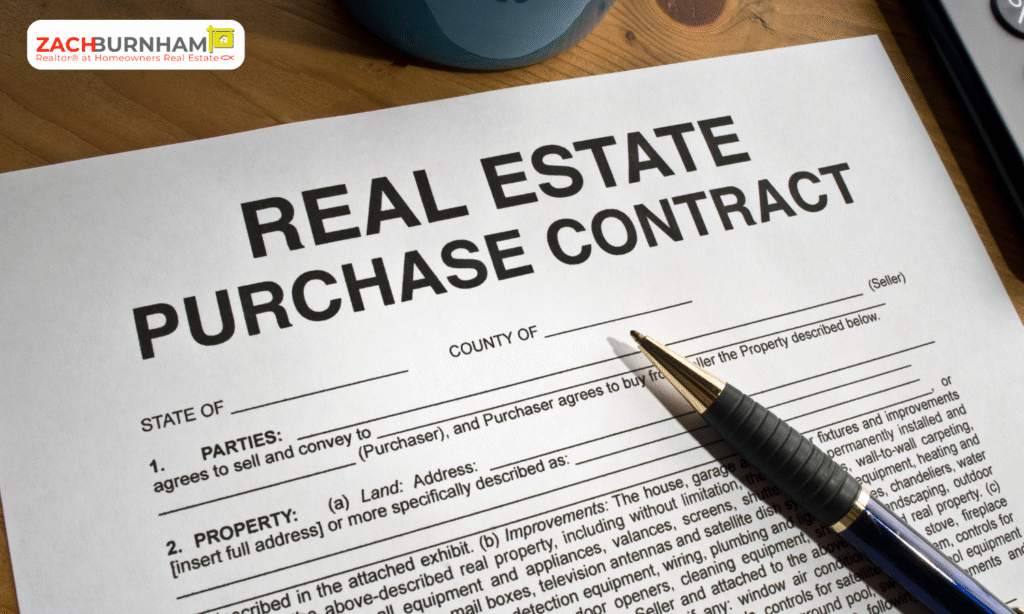
Real estate contracts aren’t just paperwork.
They’re risk allocation documents.
Contingencies determine:
-
Who carries the risk
-
How much leverage each side has
-
And whether your transaction feels smooth — or stressful
Whether you’re buying or selling, understanding contingencies in real estate ensures you don’t accidentally give away negotiating power.
And protecting negotiating power is how you protect money.
If you’re thinking about making a move and want clarity on how contingencies in real estate would impact your situation, let’s talk.
Because the goal isn’t just to move.
It’s to move smart — and keep more of what you’ve earned.
Contact me today for a no-pressure consultation, and let’s talk about your real estate goals. No committing, just consulting.
Check out more of my #RealValueRealtor blog content HERE.
Plus follow me on Facebook, LinkedIn, and Instagram to stay in touch!