
Will Home Prices Drop When Interest Rates Come Down?
(How Interest Rates Affect Home Prices)
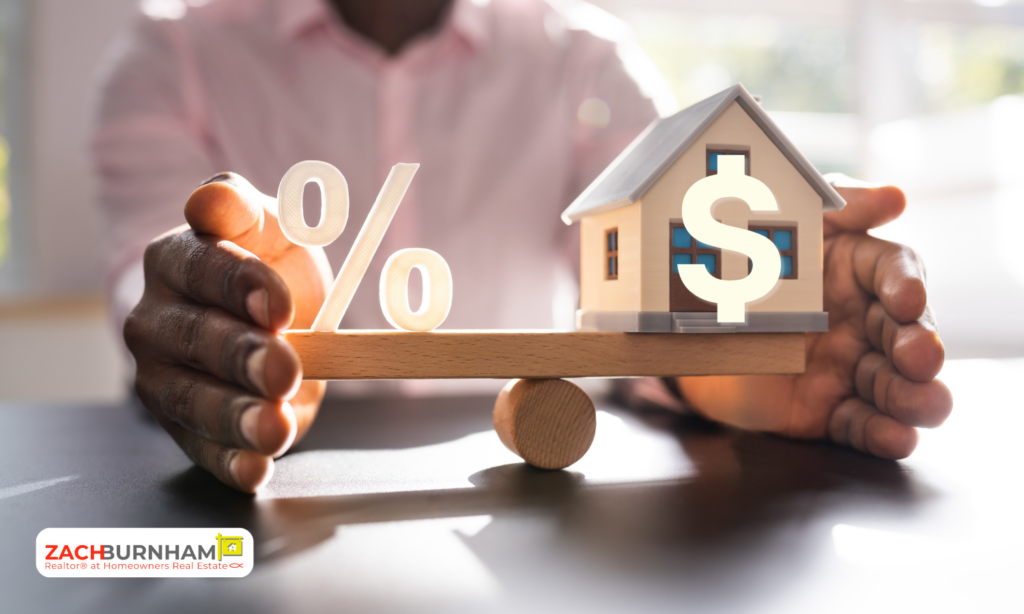
A lot of buyers are waiting for interest rates to come down so they can afford a new home.
I hear this all the time—especially here in Harford County.
And on the surface, it makes sense. Lower rates should mean lower payments, right?
Not exactly.
When people think about how interest rates affect home prices, they often assume there’s a simple, direct relationship. Rates go down, prices go down. Rates go up, prices go up.
But that’s not how the market actually works.
Understanding how interest rates affect home prices could be the difference between making a smart move… and missing your opportunity.
Let’s break down what really happens.
How Interest Rates Affect Home Prices When Rates Go Down
The short answer? Home prices usually don’t drop when interest rates go down.
In fact, the opposite often happens.
To really understand how interest rates affect home prices, you have to look at what changes in the market when borrowing becomes more affordable. It’s not just about the cost of money—it’s about how buyers and sellers react to it.
Here are the three biggest reasons housing costs actually RISE when rates FALL.
1. Lower Rates Bring More Buyers and More Competition
When interest rates drop, affordability improves almost immediately.
Buyers who were previously priced out start re-entering the market. Others who were on the fence feel more confident moving forward.
That creates a surge of demand.
In a market like Harford County, where inventory is already limited, that increase in demand leads to more showings, faster offers, and multiple buyers competing for the same home.
This is one of the clearest examples of how interest rates affect home prices in real life. Higher demand equals higher prices.
So, the savings you gain from lower interest rates is washed out by the rise in purchase prices.
2. Demand Outpaces Supply
A lot of people assume that if rates drop, more sellers will list their homes and balance things out.
But supply doesn’t respond nearly as quickly as demand.
Even when rates fall, it takes time for homeowners to prepare their homes for sale, and many are still holding onto ultra-low rates from previous years. New construction also takes months or years to catch up.
So while buyers flood back into the market quickly, the number of available homes doesn’t increase at the same pace.
That imbalance is another key factor in how interest rates affect home prices.
When demand rises faster than supply, prices don’t drop—they stay strong or increase until supply catches up.
3. Lower Rates Increase Buying Power
This is the piece most people overlook.
When interest rates go down, buyers don’t just feel better about purchasing—they can actually afford more.
The same monthly payment can suddenly support a higher purchase price. That means buyers expand their search, aim for more expensive homes, and have the ability to make stronger offers.
Instead of pulling prices down, lower rates often raise the ceiling of what buyers are willing and able to pay. Which just drives sale prices even higher.
So What Does This Mean for You?
If you’re waiting for interest rates to drop so you can get a better deal, you’re not alone. It’s one of the most common strategies I hear from buyers right now. But it’s a strategy of the uneducated.
Once you understand how interest rates affect home prices, the strategy becomes a lot clearer.
Lower rates can help reduce your monthly payment, but they also tend to bring more competition, fewer concessions, and higher sale prices.
In many cases, buying when competition is lower—and refinancing later if rates drop—can be the more strategic move.
Every situation is different, especially here in Harford County where inventory and demand can shift quickly.
If you’re trying to figure out the right timing based on your goals, you should take the time to educate yourself. Check out more of my blogs like When Is The Right Time To Buy or Contingencies in Real Estate Contracts to learn how to buy strategically even when rates are high.
Because at the end of the day, it’s not just about timing the market—it’s about making a smart move within it.
Feel free to reach out to me personally for no pressure, 1-on-1 personalized advice about your real estate goals.
No committing, just consulting.
Check out my full library of blogs for all of the information you need to make smart, educated real estate decisions HERE.
Plus follow me on Facebook, LinkedIn, and Instagram to stay in touch!