
What Is “Earnest Money”… And How Much Do You Need?
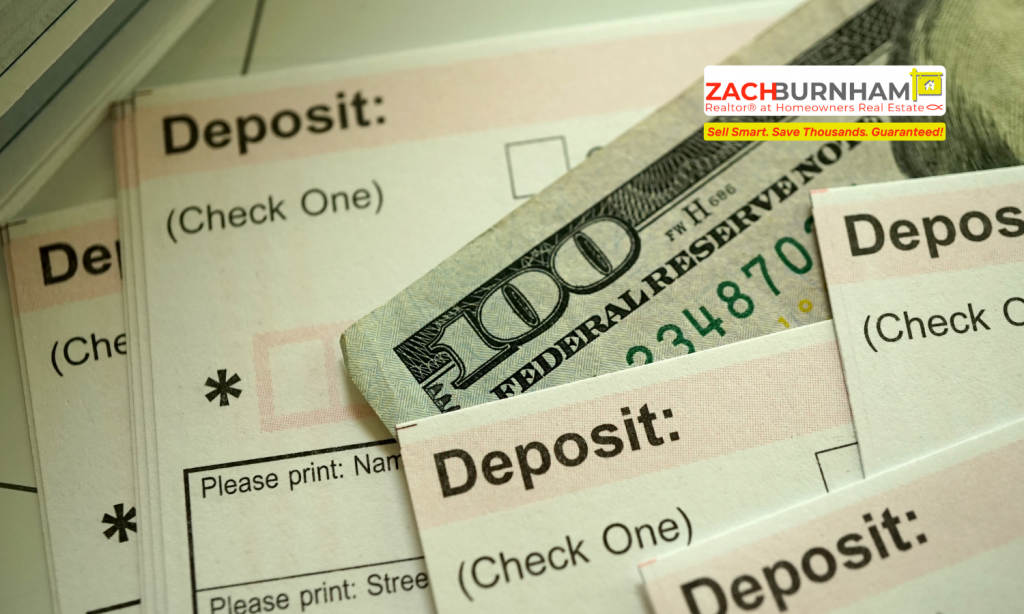
When you make an offer on a home, there’s one piece that tells the seller you’re serious: earnest money deposit. (or EMD). It’s simple, but buyers hear about it so late in the process that it feels confusing or intimidating.
Let’s break it down so you know exactly what it is, how it works, and what to expect.
Earnest Money = Your Good‑Faith Deposit
Earnest money is a deposit you include with your offer to show the seller you intend to follow through. It’s not a fee. It’s not extra. And it’s not paid directly to the seller.
Once you’re under contract, it’s held by a neutral third party (title company, brokerage, attorney) and later applied toward your down payment or closing costs. This does mean that it is money you will need liquid that can clear your bank account at the time of contract signing, typically 30 days prior to closing.
Why Sellers Care About Earnest Money
Earnest money gives the seller confidence that you’re committed. It helps your offer stand out because it shows you’re serious, financially prepared and less likely to walk away without cause.
In competitive situations, stronger earnest money can also make your offer more appealing to a seller.
How Much Do You Actually Need?
Most buyers put down 1%–2% of the purchase price.
Examples:
- $350,000 home → $3,500–$7,000
- $500,000 home → $5,000–$10,000
But the amount can shift depending on the situation:
- Hot markets or properties: Buyers sometimes offer 5%+ to strengthen their offer in the eyes of the seller
- Balanced markets: 1% is common
- Cash Offers: Typically 3-5% because sellers want to see more “skin in the game” (cash contracts have fewer built‑in checkpoints, so a stronger deposit replaces the accountability that financing normally provides.)
- New construction: Builders often set their own deposit requirements
- VA buyers: Earnest money is still typical even with $0 down payment options
The goal is to look serious without stretching beyond your comfort level.
Is Earnest Money Refundable?
Usually, yes — as long as you follow the contract.
You typically get your deposit back if:
- Your financing falls through
- The home doesn’t appraise
- Inspections uncover major issues
- You cancel within your contingency timelines
You will lose it if you walk away for reasons not protected by the contract or miss key deadlines.
Where Does It Go?
Your earnest money is held safely by a 3rd party to the transaction; typically either the title company, or your agents’ office.
It’s never handed directly to the seller.
Bottom Line for Buyers
Earnest money is simply a good‑faith deposit that shows you’re committed. Plan for 1%–2%, know your market, make sure your contract protects you with the right contingencies, and ultimately stay receptive to your agents’ expert guidance.
Understanding this piece ahead of time makes the offer stage feel a whole lot less stressful — and a whole lot more strategic.
If you want to work with an agent who is not just there to buy or sell your house but to actually help you grow, learn and achieve your own goals then we need to talk.
Reach out to me personally for no pressure, 1-on-1 personalized advice about your real estate goals.
No committing, just consulting.
Check out my full library of blogs HERE for all of the information you need to make smart, educated real estate decisions and position yourself as a powerhouse buyer or seller!
Plus follow me on Facebook, LinkedIn, and Instagram to stay in touch!